
The fuel you cannot see

Your engines are burning more fuel than they should. Nothing on the dash will tell you.

A diesel engine drifts out of tune long before it breaks, and it throws no fault code while it does. The truck still runs. The operator notices nothing. The fuel bill just gets bigger, one hour at a time, across every unit in the yard.

Emissions-based maintenance (EBM) reads diesel exhaust chemistry as a direct measure of combustion efficiency, compares each engine against its EPA-certified baseline, and converts the gap into a specific repair. It finds fuel waste that throws no fault code, on any diesel engine, without new hardware on the truck.

The fault code does not know anything is wrong.

Across every engine in our published record, zero OEM fault codes were present at the time of testing. The engines were running. They were also wasting fuel.

Evidence base

$255,049,693and counting
Savings Identified in USD
3,058
In-Field Diagnostic Tests
32,165
Engines Baselined
1,752,623,952and counting
Pounds of CO₂ Savings Identified

The fuel you cannot see

What is your fleet wasting?

Put in your fleet size and annual fuel spend. We will show you what the 5 to 7% target band is worth on your own numbers.

Open the calculator

The method

Thirty years of doing this by hand. Now it runs by itself.

  1. 1997

    The origin

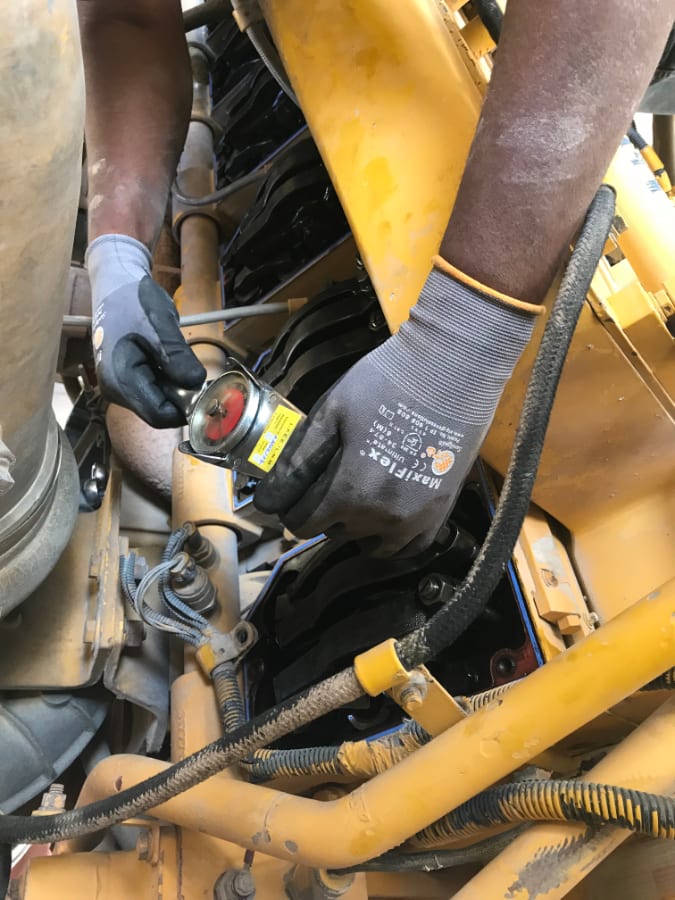
    The method started in 1997, on the stack, with a probe and a technician who knew what the readings meant. Every engine, every reading, by hand.

  2. The record

    The evidence

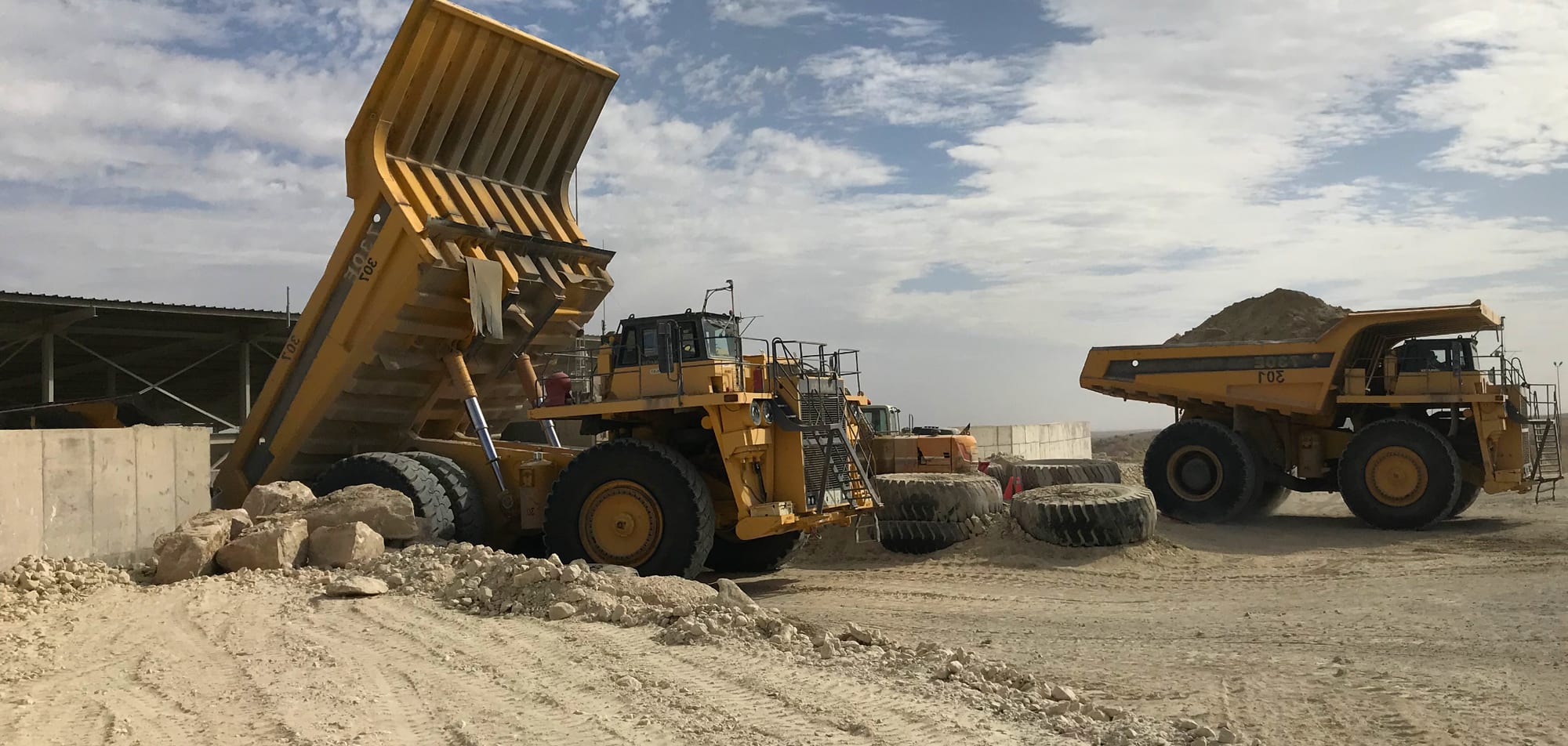
    That work built the record. Thousands of tests across mining and heavy fleets on three continents, each one comparing a running engine to what its manufacturer certified it to do.

  3. Tier 4

    The constraint

    Tier 4 changed the equipment. Stack access on new high-horsepower iron is harder than it used to be, and a method that depends on climbing the truck does not scale.

  4. Now

    Now

    Telematics carries it now. On a connected fleet the tests arrive on their own, every time an engine works hard, with no one climbing anything. The method did not change. The delivery did.

Who we are

Revealiency™ built and patented the method behind emissions-based maintenance. The platform is the daily tool: it generates each engine's emissions profile, recommends the maintenance procedure, routes the repair to a technician, and verifies the recovery on the next test. AI-powered diagnostics trained by 40+ years of a master diesel technician and a comprehensive diagnostic protocol, built to think like Skinner and diagnose more engines than one expert ever could.

Pricing runs about 1% of your fuel bill, targeting 5 to 7% fuel savings, proven free on your own trucks for 90 days.

Common questions

Emissions-based maintenance, answered

What is emissions-based maintenance?
Emissions-Based Maintenance is a method that reads a diesel engine's exhaust chemistry as a signal of combustion efficiency, compares it against the engine's own EPA-certified baseline, and quantifies the gap as recoverable fuel. It finds drift and makes repair recommendations before an OEM fault code ever appears, treating wasted fuel as a maintenance problem to solve.
What does Revealiency do?
Revealiency is the master brand behind Emissions-Based Maintenance (EBM), a patented method and platform that reads raw diesel exhaust, builds an emissions profile, and analyzes it against a certified baseline to produce plain maintenance recommendations mechanics can follow using OEM service guidelines. It turns hidden fuel waste into specific, verifiable repairs across mixed heavy-diesel fleets.
Can you find fuel waste with no fault code?
That is exactly where Emissions-Based Maintenance works. Efficiency drift shows in exhaust chemistry well before an OEM fault code triggers, so an engine can waste fuel while every dashboard light stays dark. EBM identifies that drift and recommends the correction early, before the problem compounds into a fault code or a unit taken out of service.
How much fuel can a fleet recover?
Revealiency frames fuel recovery as a conservative 5 to 7% target band, never an average and never guaranteed. Every fleet has different operating conditions and duty cycles, so the real number is confirmed on your actual engines. Across the analyzed portfolio, the method has surfaced $255M in identified opportunity, reported gross, not realized.
What engines and fleets does it support?
Emissions-Based Maintenance is OEM-agnostic. Its baselines are calibrated against 24,000+ EPA-certified engine families from 200+ manufacturers, spanning model years 1996 to 2027 across EPA Tier 2 through Tier 4. It is validated across Caterpillar, Cummins, MTU, EMD, and John Deere engines, roughly 150 HP to 3,000+ HP, so it fits the mixed fleet in the yard today.
Who is behind Revealiency?
Revealiency is Emissions-Based Maintenance LLC, doing business as Revealiency, founded by Steve ‘Skinner’ Forbush and his son Jer Forbush. Skinner spent four decades diagnosing heavy diesel engines by reading their exhaust; Jer built the platform that scales that judgment into software. The method is protected by patents granted in the United States and India.
Where do I use the platform?
The Emissions-Based Maintenance platform runs at ebmpros.com, where maintenance teams submit tests, read a live fleet picture, and drive the repair workflow. Revealiency.com is the authority hub for the science, the research published by Starboard Research, and the field record. Both resolve to one entity behind emissions-based maintenance.